As regenerative medicine continues to evolve, the demand for a skilled workforce capable of supporting the rapid growth of biomanufacturing is becoming more urgent. The Regenerative Medicine Engine, funded by the National Science Foundation and based in North Carolina, is responding to this need, with a strong focus on workforce development through strategic partnerships with local colleges, industry leaders, and cutting-edge initiatives aimed at fostering the next generation of professionals in regenerative medicine.
This commitment to building a skilled workforce is not starting from scratch. It builds upon the foundation laid by the Wake Forest Institute for Regenerative Medicine (WFIRM) over the last 20 years. WFIRM has long been a leader in advancing the field of regenerative medicine, and the RegenMed Engine continues to leverage that expertise, aligning educational programs with industry needs and ensuring that students are trained in the most advanced technologies available.
Commitment to Workforce Development
At the core of the RegenMed Engine’s mission is the belief that a talented, skilled workforce is essential to the success of the regenerative medicine field. To ensure the industry has the professionals needed to support its growth, the RegenMed Engine is committed to providing robust educational opportunities and practical training experiences.
The RegenMed Engine has forged strong partnerships with regional colleges to build a biomanufacturing workforce equipped with the necessary expertise for the regenerative medicine industry. Forsyth Technical Community College (FTCC), a core partner of the RegenMed Engine, is leading the charge in this effort. FTCC has launched several initiatives designed to give students hands-on experience with advanced technologies that are critical to the regenerative medicine and biotechnology sectors.
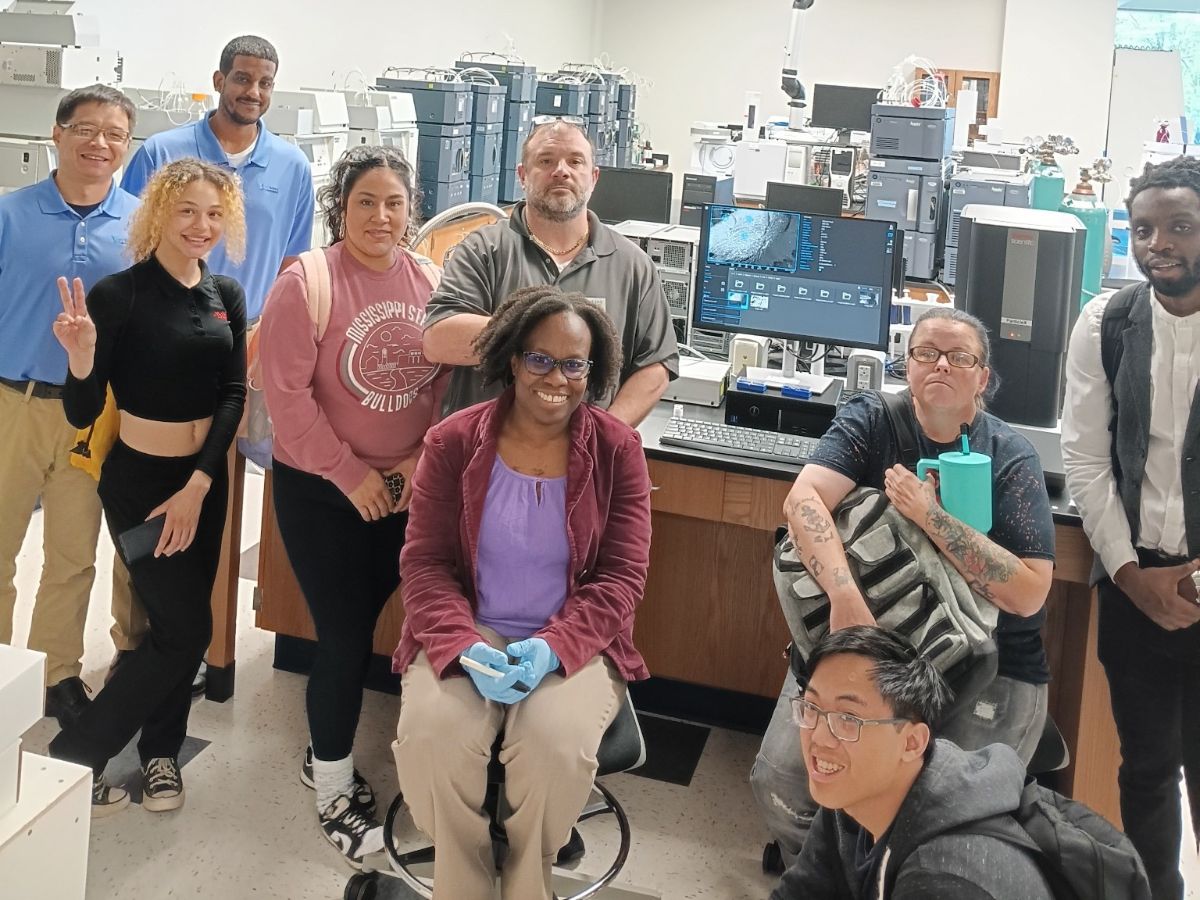
NSF Grant Fuels Workforce Development at Forsyth Tech with Advanced Technologies
FTCC received RegenMed Engine funding to enhance its workforce development efforts. The college has added micro-certification programs that focus on key technologies like Scanning Electron Microscopy (SEM) and bioprinting. These programs provide students with hands-on training using industry-grade equipment essential for biotechnology and regenerative medicine research.
What sets FTCC apart is that it is the only community college in North Carolina to house these advanced technologies, which come with a high price tag. Scanning Electron Microscopes and bioprinting equipment are not only expensive but also highly specialized, requiring significant investment to integrate into a college curriculum. This unique access provides FTCC students with an unparalleled opportunity to train on tools used in real-world biomanufacturing environments, placing them in a prime position to enter the workforce with a competitive edge.
By adding these state-of-the-art tools to its program, FTCC is preparing students to fill high-demand positions in biomanufacturing and regenerative medicine. This collaboration between FTCC and RegenMed Engine ensures that the local workforce is equipped with the skills and expertise required to meet the needs of emerging industries. It also bridges the gap between academic learning and practical, hands-on experience, ensuring students are ready to enter the workforce and contribute to real-world commercial applications.
Virtual Reality Expands 3D Bioprinting Training Across 58 NC Community Colleges
FTCC, in collaboration with NC BioNetwork and Hakobio, is also advancing biomanufacturing education with an NSF-funded initiative that combines 3D bioprinting technology and virtual reality (VR). By creating digital twin replicas of bioprinting equipment, FTCC is enabling students at 58 community colleges across North Carolina to engage with these advanced tools virtually, allowing for a more accessible and scalable approach to training.
This initiative is expected to be fully operational by Fall 2025, with VR-based training implemented in classrooms across the state by the fall semester. By utilizing VR, FTCC and the RegenMed Engine are breaking down financial and geographic barriers, offering students across North Carolina the chance to train with advanced technologies without the need to travel or incur high costs. This initiative will help create a skilled workforce, ensuring that all students, regardless of location or financial situation, can participate in the growing field of regenerative medicine.
New America’s Investment in Workforce Development
Beyond local colleges, the RegenMed Engine is also benefiting from broader national support aimed at strengthening workforce development. A new $3 million initiative led by New America, funded by the Ascendium Education Group, is designed to boost workforce development in emerging technologies. The Accelerator for Community Colleges in the Innovation Economy offers mini-grants, technical assistance, and best practices for training in advanced technologies like biomanufacturing. Forsyth Tech’s President Janet Spriggs chairs the Accelerator’s Presidents’ Council, positioning the Piedmont Triad region to play a key role in shaping the national workforce for these cutting-edge fields.
Dr. Spriggs highlighted the role community colleges play in creating pathways to opportunity. As she shared, “Community colleges are vital pathways to opportunity, with nearly half of all STEM graduates starting at a two-year institution. NSF funding fosters innovation in crucial areas like advanced manufacturing, AI, and biotechnology. It empowers students, especially those from low-income or first-generation backgrounds, equipping them with skills and confidence for success.”
By leveraging this funding and support, the RegenMed Engine is amplifying its efforts to build a skilled workforce and drive the economic growth of North Carolina and beyond.
Expanding Access to Training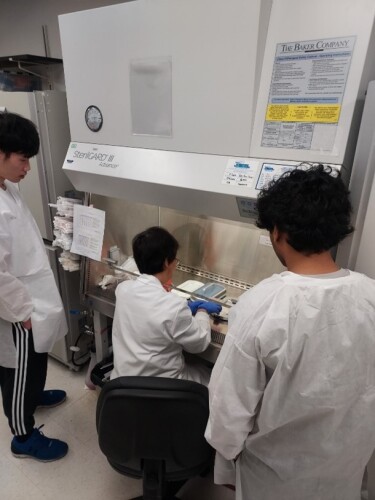
Workforce development in regenerative medicine is not just about creating pathways for students; it’s also about expanding access to the tools and training needed to succeed in this field. The RegenMed Engine’s partnership with regional colleges and its commitment to innovation, as seen with FTCC’s VR-based 3D bioprinting initiative, is helping students from all backgrounds access the education and training they need to excel in biomanufacturing.
Through these efforts, the RegenMed Engine is breaking down barriers to entry into the regenerative medicine field, ensuring that students with various backgrounds have the opportunity to join a thriving industry and contribute to its continued growth.
The Road Ahead: A Future of Skilled Professionals
As regenerative medicine continues to expand, the need for skilled workers in biomanufacturing will only increase. By fostering a dynamic and highly trained workforce, the RegenMed Engine is ensuring that North Carolina remains at the forefront of innovation in the field. Through partnerships with local colleges, the integration of advanced technologies, and support from initiatives like New America’s Accelerator, the RegenMed Engine is helping to shape the future of regenerative medicine while building a skilled workforce ready to meet the challenges of tomorrow.
With continued investment in workforce development and an unwavering commitment to innovation, the RegenMed Engine is not just preparing the next generation of professionals — it’s shaping the future of regenerative medicine and biomanufacturing.
If you’re interested in learning more about workforce development initiatives or exploring training opportunities, feel free to reach out to info@regenmedengine.com